
Oil & Gas • February 2023
Oil Theft in Nigeria: Collaboration could be key to solving the menace
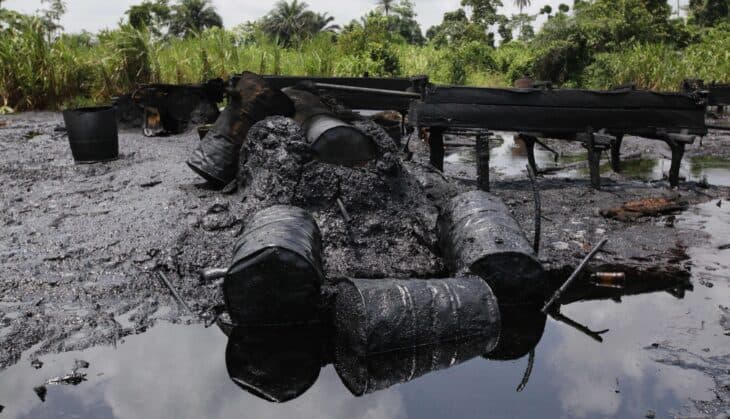
In an interview given to David Whitehouse from The Africa Report, Folake Shakirah Lawal, Principal Energy Analyst at Pan Allen Energy in Abuja, discussed the problem of oil theft in Nigeria, its history, its consequences for the country and possible solutions.
To put the scale of losses in context, she cited a study by a Nigerian senate committee, which estimated that ₦1.3trn ($2.9bn1) was lost from oil theft in the first eight months of 2022 and compared it with the 2023 health budget of ₦1.17trn. The country lost more to oil theft in 8 months than the total budget allocation to health for a whole year.
Read the full article on theafricareport
Highlights
- Nigeria has suffered significant loss from oil theft including economic losses that cover cost of lost crude, cost of lost government revenue and taxes, cost of deferred production, and cost of repairs, as well as great environmental pollution. These issues have also contributed to an increased lack of confidence by investors coupled with increasing competition from other Africa countries which has translated to large divestments of onshore activities by the major oil companies and lower foreign investments in the country.
- The problem is on three levels. While there is some small-scale petty pilfering, a huge part of the oil theft in Nigeria has been referred to as organized crime with a sophisticated logistics and efficient network of infrastructure to facilitate seamless operations. Also, some of the stolen oil is being refined locally leading to a complementary problem of illegal oil refining which has caused significant environmental pollution in Niger Delta.
- According to NEITI, the revenue losses was $46.16 Billion or N16.25Trillion between 2009 to 2020, equivalent to 619.7million barrels of crude oil. According to NNPCL, an average of 437,000 barrels was lost daily to oil theft. A recent study by a committee established by the Nigerian senate estimated losses from oil theft between January and August 2022 at $2 billion equivalent to ₦1.3 trillion2. This is more than the total budget of ₦1.17trn allocated for health in the proposed 2023 budget.
- Admittedly, some technical initiatives like NNPCL crude theft monitoring application have been launched as well as other initiatives like buffering the activities of security agencies which led to improvements in the situation and a reported increase of over 150,000bpd production in the last 2 months of 2022.
- To solve this menace, the onus lies with Nigeria and collaborating with host communities could be a very effective strategy. Also, the government could collaborate with international actors to close off markets and financial centers and increase the cost of stealing. The fact is there is a market for stolen crude oil and oil products. International collaboration could also ensure that suspicious sales of crude and petroleum products are reported. Nigeria could also explore the viability of implementing the Kimberly process for oil. An option currently being examined by analysts Pan Allen Energy.
Tags:NigeriaOil TheftSecurity